


Andrew Campbell-Fraser
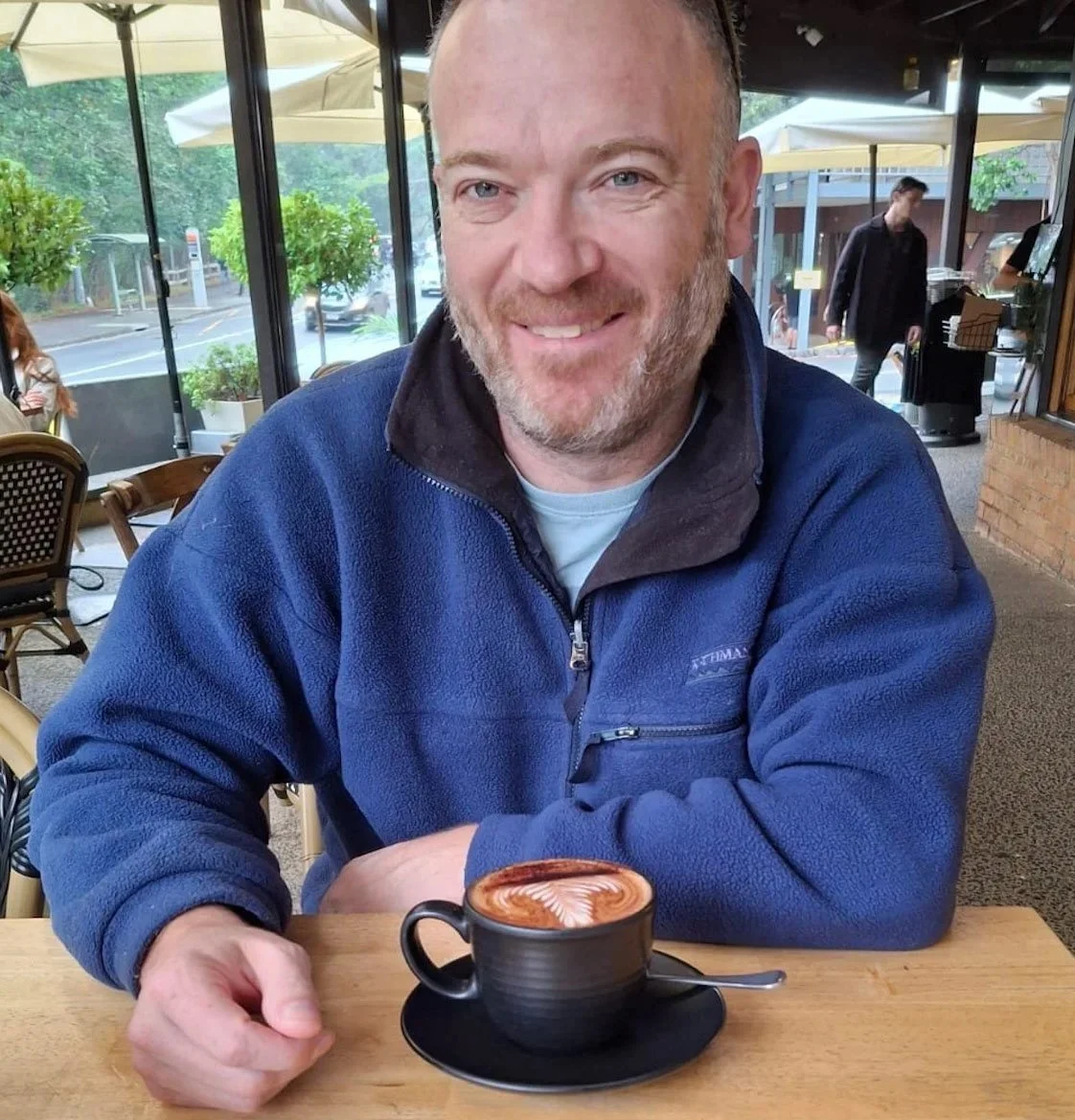
I bring my professional training, curiosity and experience to help you understand how circumstances have shaped your experience of life, to explore your thoughts, feelings and the meaning of your experiences—and with new awareness and perspective, to continue—or perhaps to effect change, if change feels right for you.
I hold a PACFA-accredited Master of Counselling and Psychotherapy (Holistic Practice) from Metavision Institute. Along with a background in the military, engineering and construction, I work with you to appreciate patterns and details that can make sense of complexity, while feeling safe, supported and truly heard.
What I can support you with:
Stress, anxiety, frustration, depression
Relationships—with yourself, your partner, others—at home, work, or socially
Trauma, abuse, criticism and neglect
Grief and loss—human and non-human loved ones, hopes, dreams, or the wider world
Addictive tendencies
Life transitions, meaning, and purpose
Recurring or fleeting dreams, thoughts, feelings, sensations, or images
Feeling off or unsettled without really knowing why
Simply appreciating a fresh perspective on things
You don’t always need a clear problem or a clear explanation to seek support— just an inkling that something’s not quite right. Together, we can explore your experiences safely, with care, patience, and non-judgment. Over time, many clients appreciate a greater clarity and calm, as well as a stronger sense of meaning, choice and confidence emerging in how they live.
Session Options:
Individual Counselling
In-person sessions in our office
Walk-and-talk sessions locally in parks and along nearby trails
Via secure video sessions
60 minute sessions – $130
90 minute sessions – $180
Notes
I encourage new clients to begin counselling in-person in our office to build a strong working relationship
I request payments be made via EFT on the day of session
I offer a 10% discount where clients book and prepay a series of five or more sessions
I do not currently offer rebates through Medicare, NDIS, or private health insurance
Approaches I integrate:
Client-Centred Counselling—working on what matters most to you, with your strengths, talents and resources you’re most comfortable with
Process-Oriented Psychology—cultivating awareness of your thoughts, feelings, and behaviours, including subtler aspects of experience to explore what wants to emerge
Somatic Approaches—supporting safe exploration of trauma and challenging experiences
Attachment Theory—understanding how early experiences influence relationships and how we explore our world, and developing more confident approaches
I maintain ongoing professional clinical supervision for work within my existing modalities as well as in support of my ongoing studies and development in Gestalt and Eco Psychotherapies
FAQs:
-
The first couple of sessions are an opportunity to see whether this way of working fits you, as well as addressing your questions and concerns.
-
We’re all naturally wired to seek support and cooperate, even if social norms or upbringing have made it feel difficult or unnatural for many of us.
It’s common to feel hesitation, doubt, or uncertainty about opening up.
Choosing to engage in counselling is a rational, proactive way to gain clarity, perspective, and support. Counselling isn’t about labels or identity - it’s about having someone to listen, reflect, and help you chart your own path.
-
No. You stay in control of what you share and when. Counselling is about working with what feels relevant and manageable.
-
No. You can start with a general sense that something isn’t right. We’ll make sense of it together.
-
Not at all. You might want some sessions to focus on situations, patterns, or decisions. You’re welcome to discuss feelings if you want, but there’s no expectation.
-
Yes. I welcome individual sessions for those preparing for couples counselling at a partner’s request.
This is a space to reflect on your needs, wants and wellbeing, and to feel more grounded and resourced going into couples work - especially for those new to counselling - including many men who have been socialised to get on with things rather than being encouraged to talk about them.
-
There’s no set timeline. Some people work through a specific issue over a few sessions; others stay longer as new questions arise.
-
These outdoor sessions are for people who prefer movement or a less formal setting. Many find walking helps thinking and conversation flow naturally.
-
Yes. Video sessions use a private, secure link. Make sure you’re in a private space so you can speak freely.
-
Some clients choose longer sessions to discuss their concerns without feeling rushed, allowing them more space to process and integrate their emotions or insights during the session. This can be especially helpful for navigating sensitive topics, addressing complex issues, or when there are challenges with expressing oneself fully. Longer sessions also help clients avoid getting stuck in surface-level conversation and ensure there’s enough time to explore different perspectives without running out of time.
In addition, longer sessions provide an opportunity for clients to address a few smaller questions or reflections that might not fit in a shorter session. For those with chronic stress or emotional overwhelm, having more time can be essential for unpacking layers of experience in a more relaxed pace. Ultimately, some clients find they make more progress sooner by having more time to reflect and process, especially if they prefer fewer, more comprehensive sessions rather than multiple shorter ones.
Counsellor independence disclaimer:
Andrew’s counselling services are provided by Andrew Campbell-Fraser (ABN 61 282 993 557).
Counselling in the Comfy Chair is a shared practice space; each counsellor operates independently and is responsible for their own services, records, and professional obligations.